

Sustainability at Bristol Zoological Society
“Bristol Zoological Society works in the context of an ecological and climate crisis. Conservation zoos play a central role in preventing the extinction of threatened species, addressing the challenges of climate change and habitat loss.
"Our focus is to lead by example, across our UK and international activities, demonstrating what a progressive, sustainable conservation and education zoological charity can be.”
- Justin Morris, Chief Executive
At Bristol Zoological Society, conservation is what we do; sustainability is how we do it. And we want to do it well.
Please see below for some examples of how we are delivering our conservation activities sustainably. You can also view our sustainability policy here.
Sustainability in action
Green energy
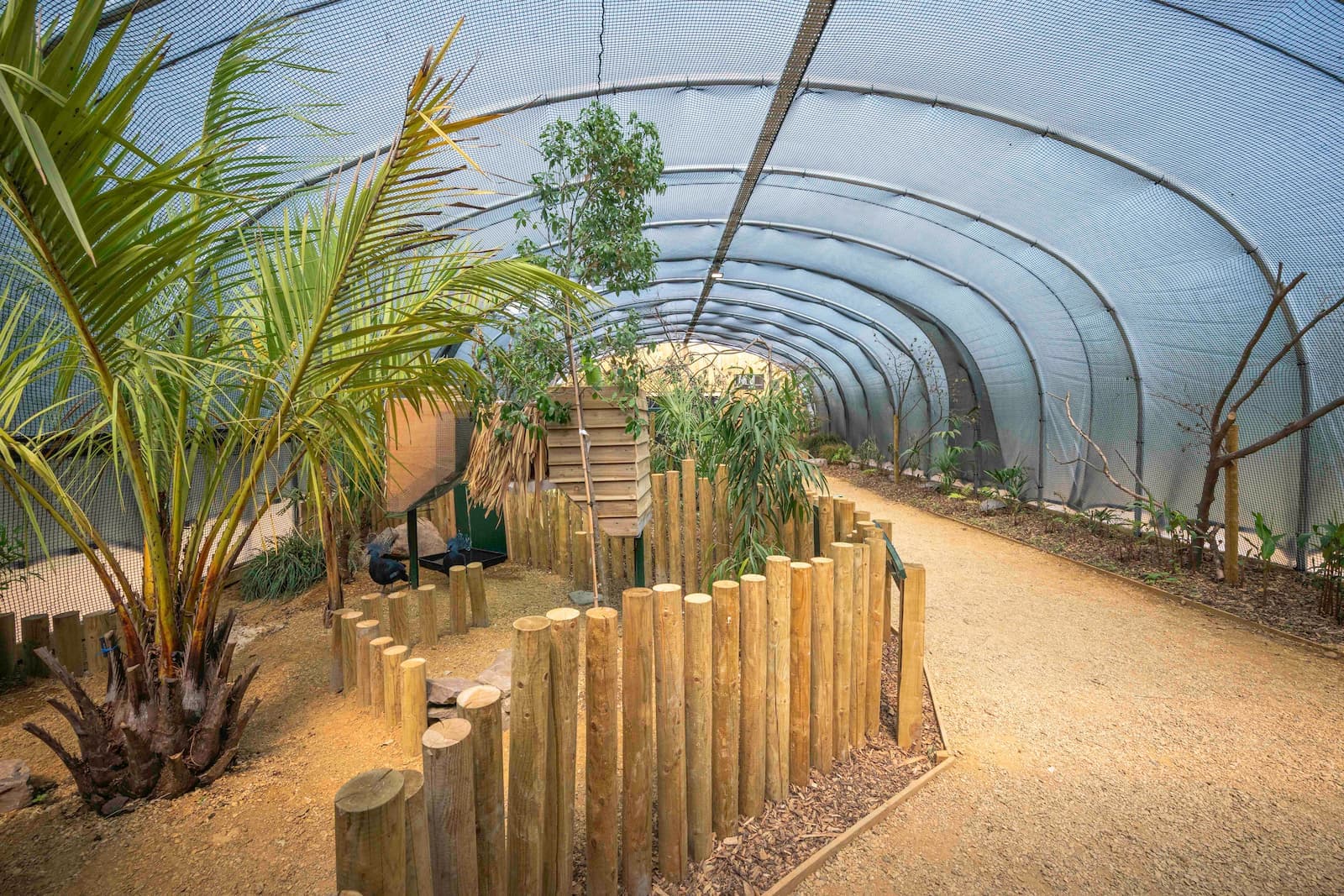
We have completely eradicated mains gas from Bristol Zoo Project, and have a 100% renewable energy electricity tariff.
Our headquarters, Walled Garden aviaries and Tropical House are heated by biomass boilers, run on sustainable wood pellets.
In the African Forest habitat, all buildings have air source heat pumps and our gorilla and mangabey house has solar panels.
Waterways
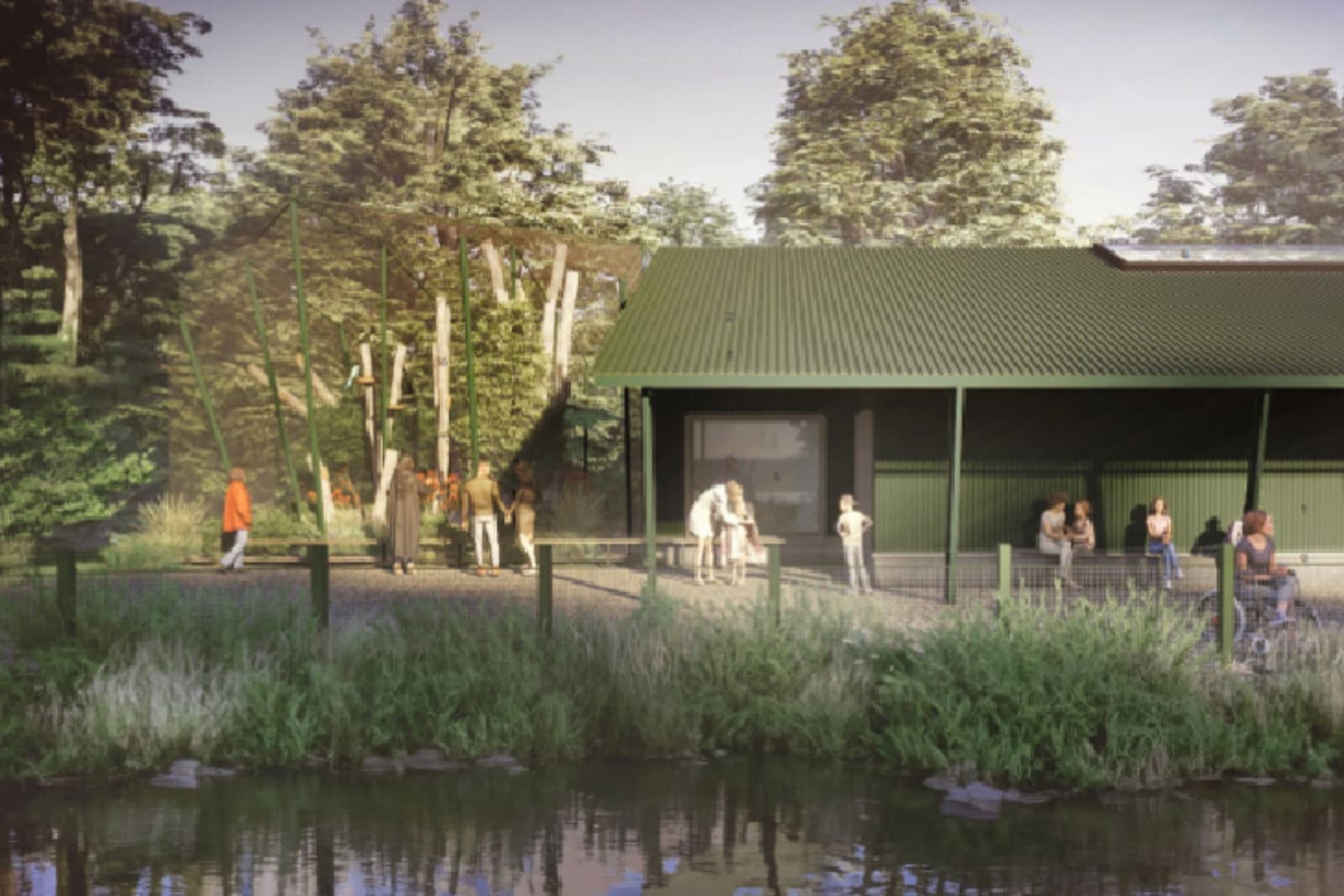
Our African Forest habitat includes a clever surface water management system that connects the moat overflow and stormwater runoff, via a conduit that passes beneath the ancient woodland, to an attenuation pond and out to a local brook.
The whole system, from moat to attenuation pond, is filled with diverse aquatic planting designed to help native species, such as great crested newts, thrive.
You can't manage what you can't measure
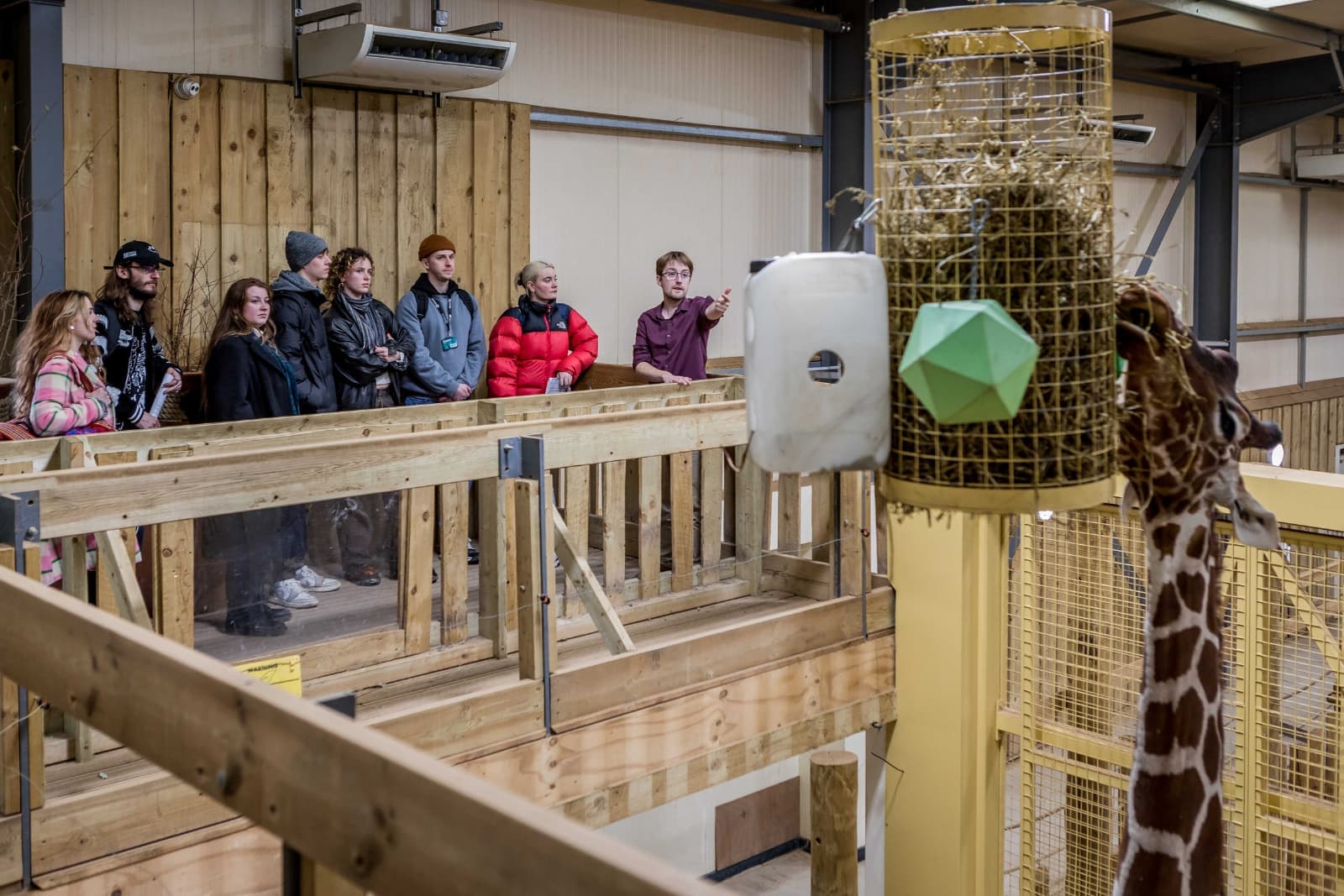
Thanks to increased measurement of our energy and water usage, in 2024 we identified new projects to reduce electricity consumption at some high-use locations, for example, the giraffe house.
We've also developed a new way of assessing household income and wellbeing changes for those involved in our international conservation programmes. This helped us to understand the impact of our projects on local people and the long-term sustainability of those projects.
Waste not want not
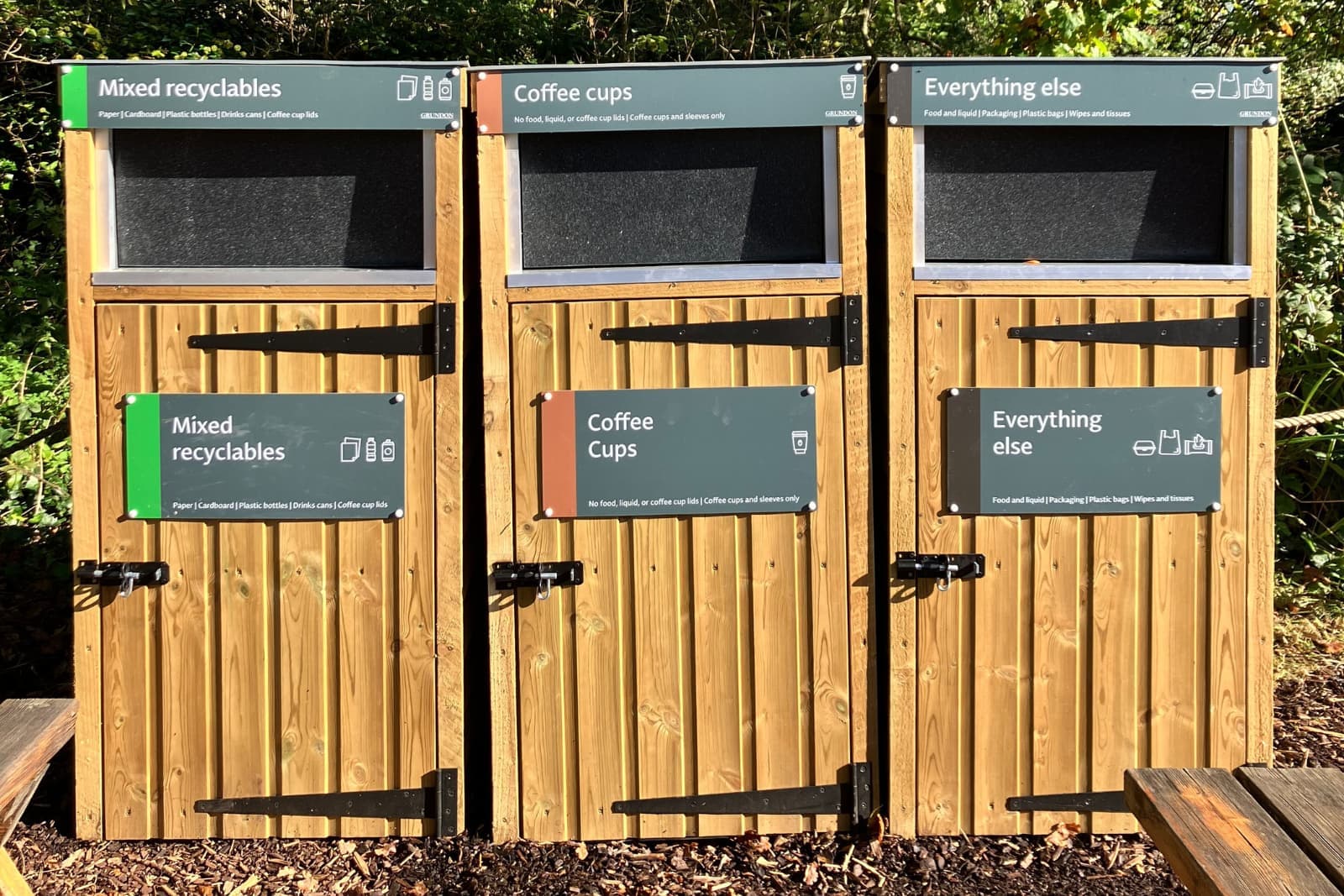
In June 2004, we started a partnership with Grundon Waste Management, installed new bins with improved signage, and increased waste segregation to include separate streams for food waste, wood waste, and compostable packaging.
As a result, in the first year, we increased recycling rates by more than half, from 35% in 2024 to 52% in 2025.
Circular economy in motion
What better example of a circular economy activity than our browse growing initiative?
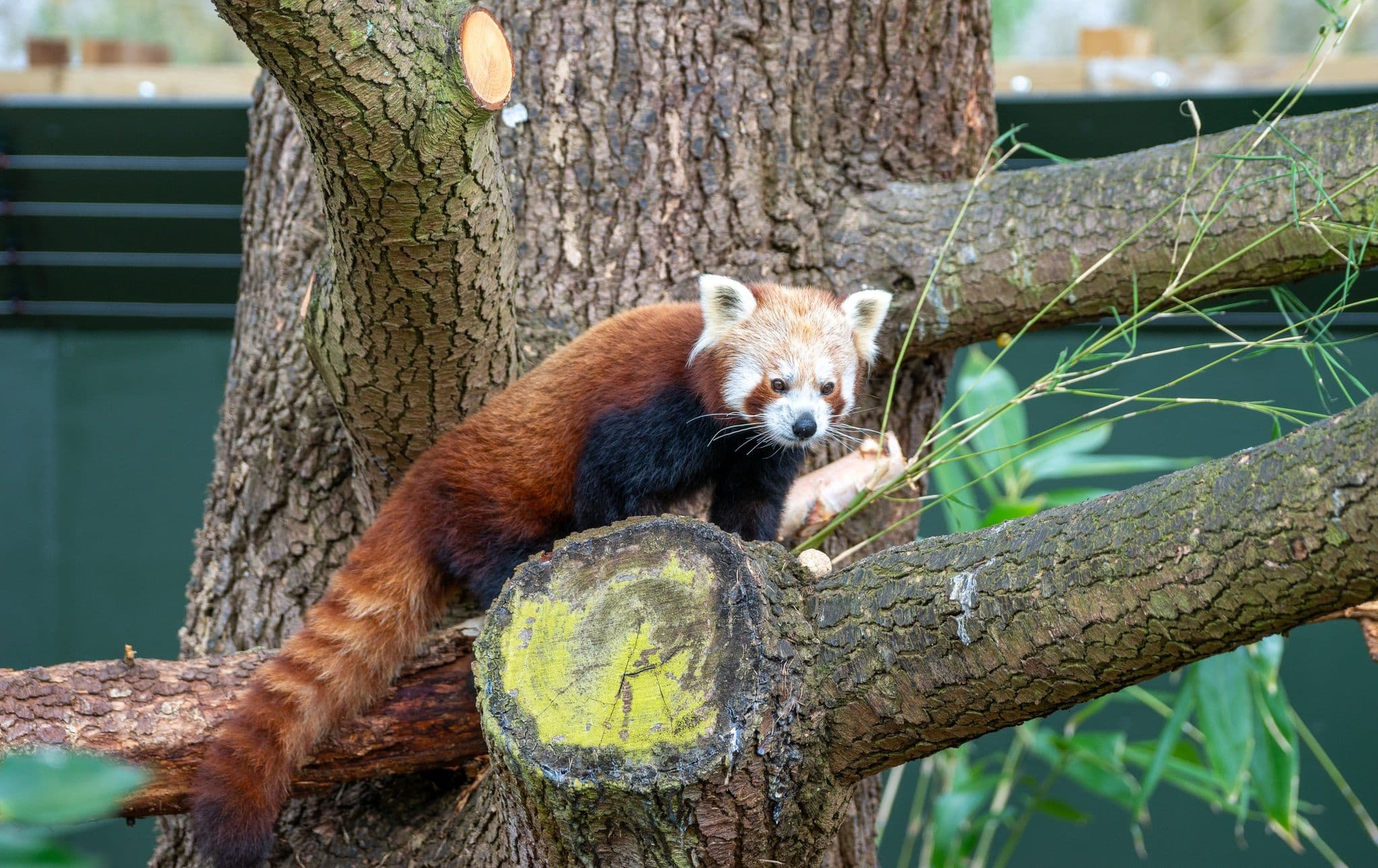
At Bristol Zoo Project, we grow a significant proportion of the browse – leafy vegetation – needed for the diets of our herbivorous animals, like giraffe and red panda.
We collect poop from these animals. The poop is composted. The compost is used to nourish the soil in the browse plantation. The browse is fed to the animals – and so the cycle goes on.
Biodiversity
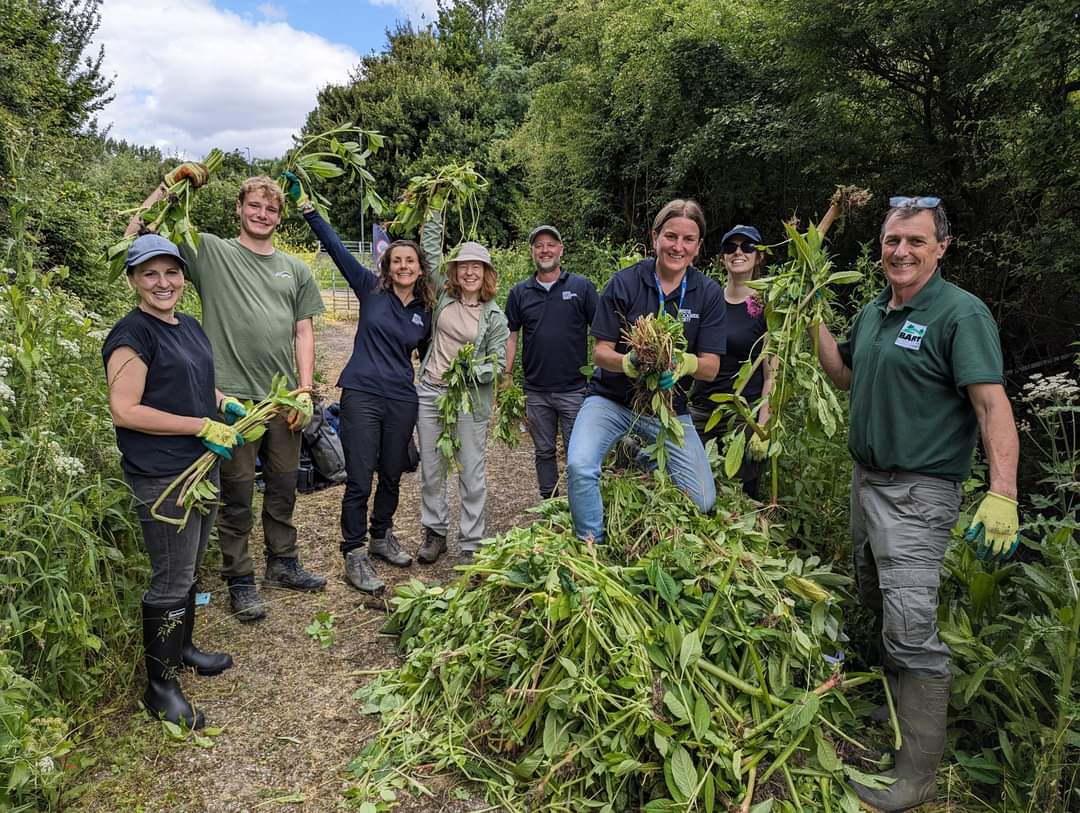
As we continue to develop our zoo, we strive to keep the site as natural as possible, with our animal areas integrated into the existing landscape, so native species can thrive.
Our biodiversity net gain targets far exceed the standard 10% recommendation. By 2035, we aim to increase the amount of Bristol Zoo Project managed for UK biodiversity by 22% for habitats and 36% for hedgerows.
The work of our dedicated native species team has already led to the discovery, at Bristol Zoo Project, of a nationally scarce species of necklace ground beetle (Carabus monilis). Find out more about our work here.
Deforestation-free commodities
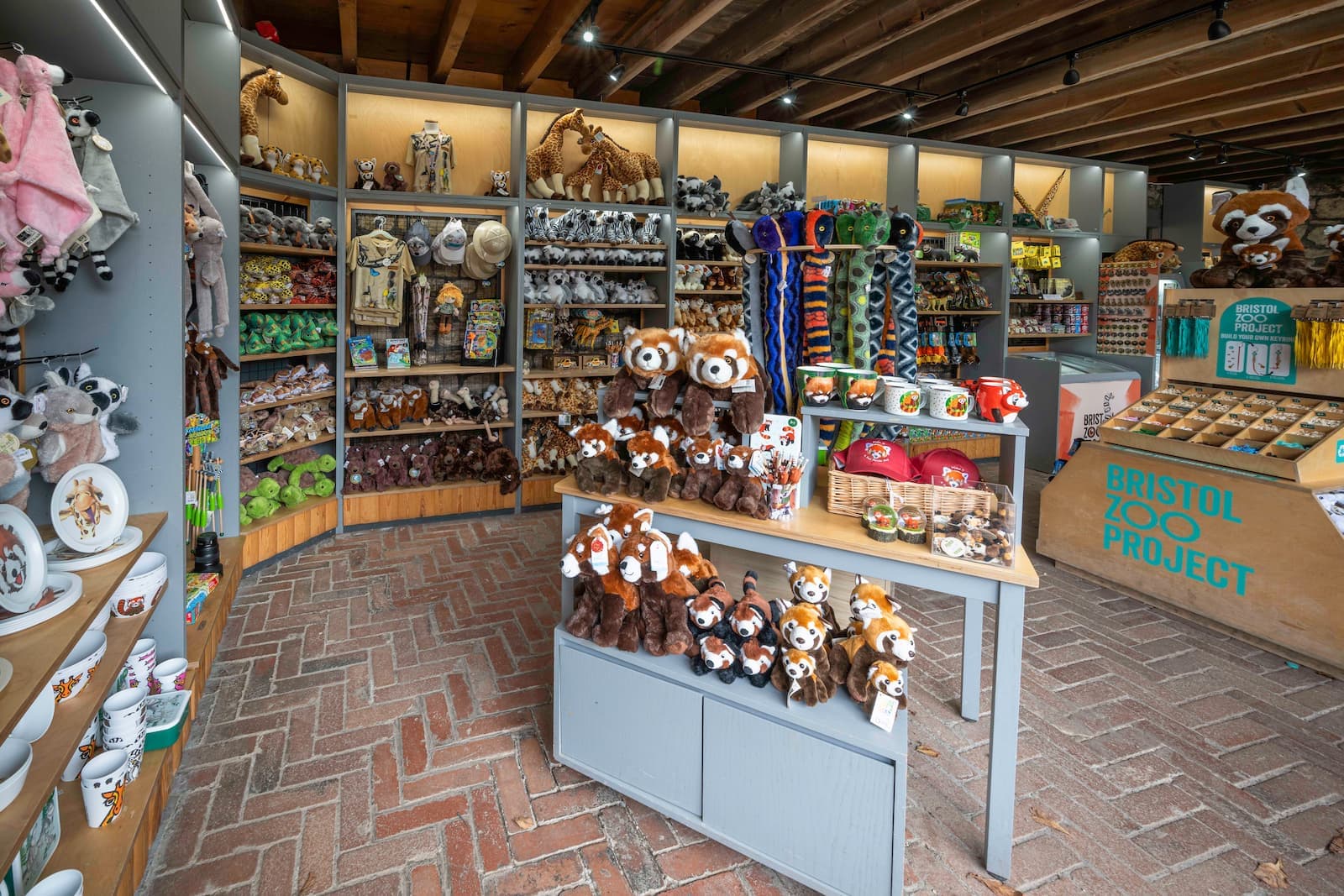
We don’t want what we buy to have a detrimental impact on nature or animals, which is why we are committed to eliminating products from our supply chain that contribute to deforestation.
Read our deforestation-free commodities commitment statement here for more details.
Good food
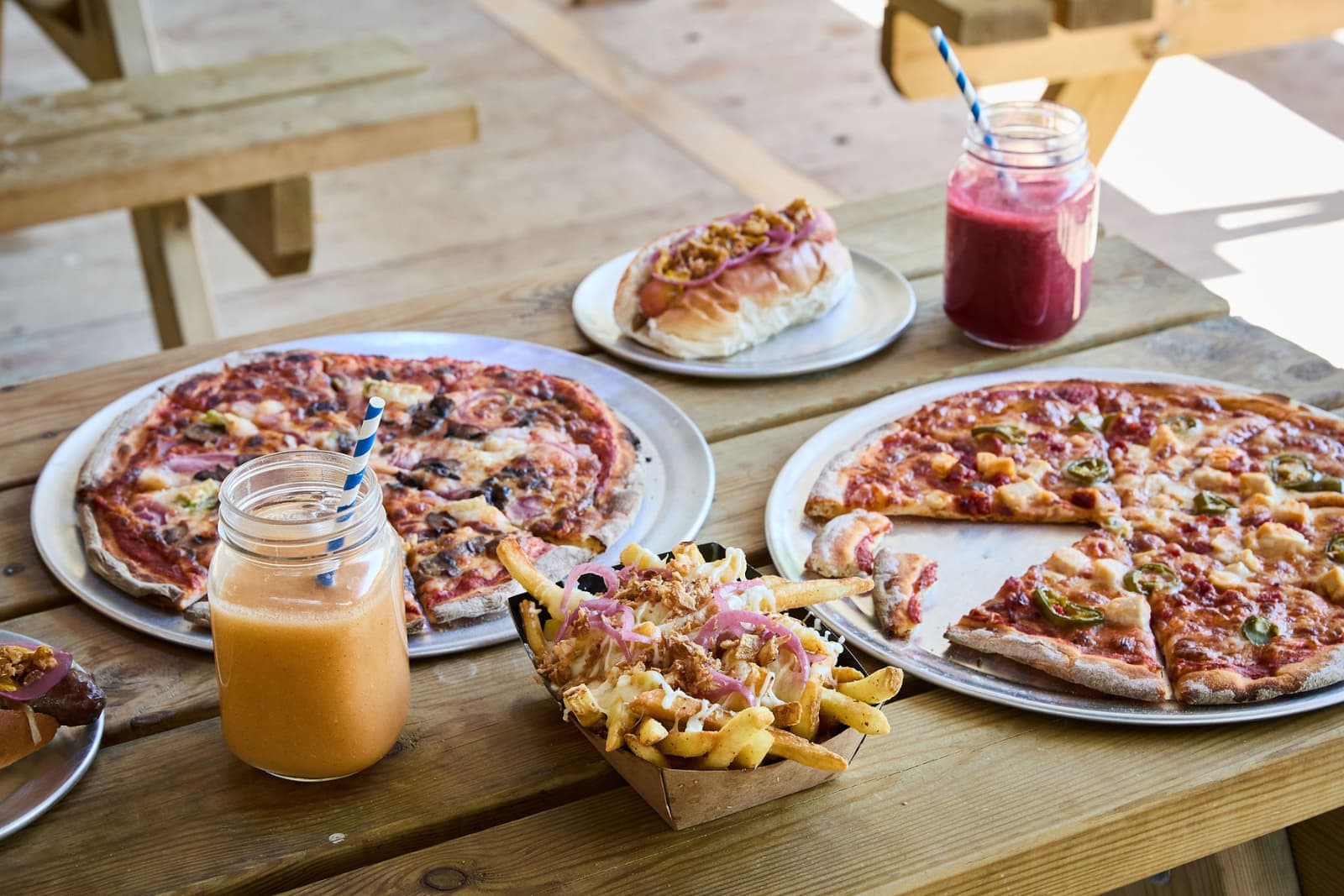
At Bristol Zoo Project, we serve food that tastes good and is good for our planet. We source 70% of fresh produce from within a 30-mile radius. No food or drink products are packaged in single-use plastic.
Local ingredients are fresher, tastier, and support local communities. Sustainable and deforestation-free ingredients are of better quality and impact our planet less, protecting the habitats of the animals we love!
Collaboration
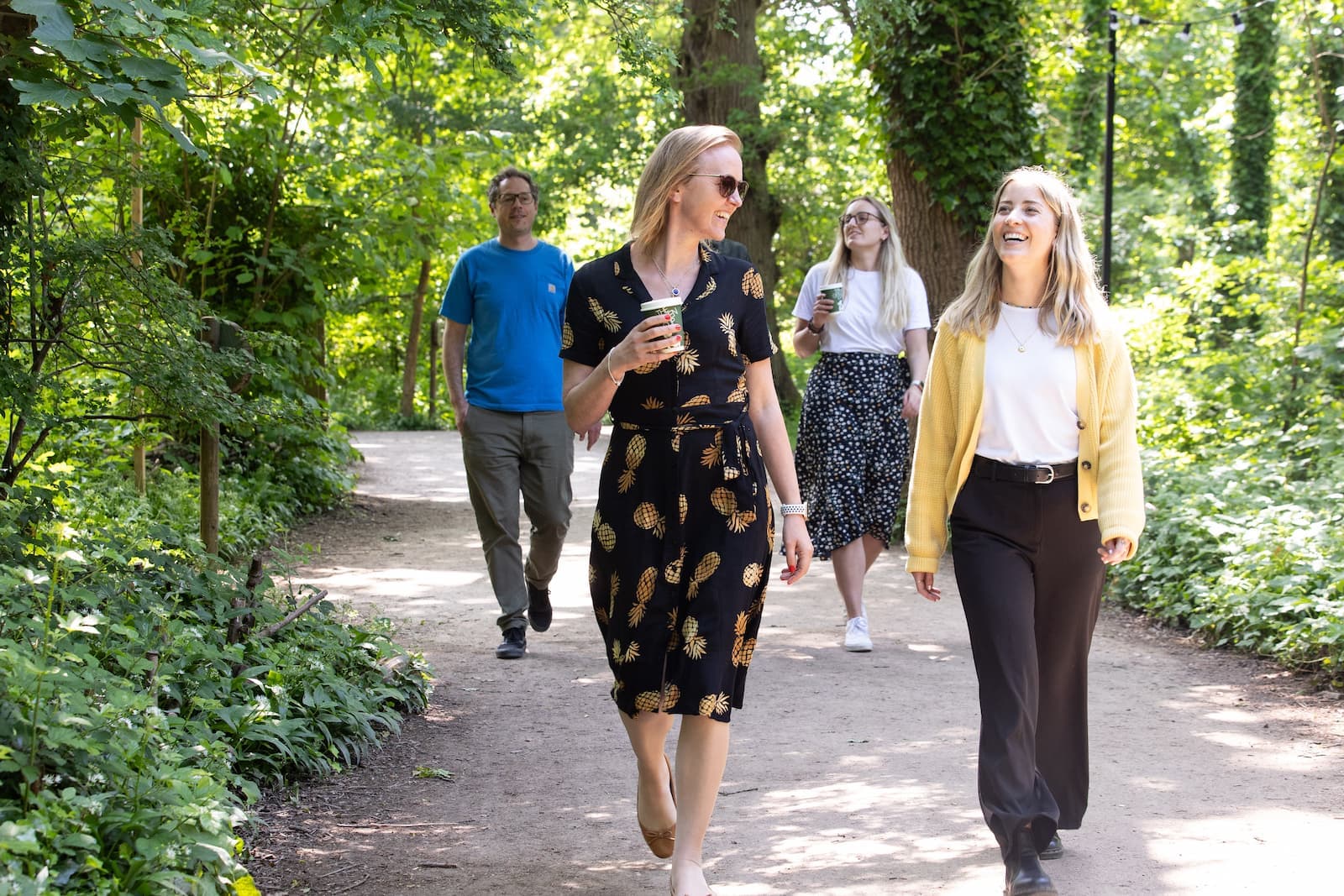
As an influential conservation and education charity, we use our position to engage our stakeholders, peers, other-sector businesses, and individuals to adopt more sustainable behaviours.
We think more heads are always better than one, which is why we are also key members of the following groups and networks:
Bristol Climate and Nature Partnership’s Climate Leaders Group